Trekking
Mount Kilimanjaro
Trekking Overview
Climb Mount Kilimanjaro, Africa’s highest peak, and experience one of the world’s most unforgettable trekking adventures. Standing at 5,895 meters (19,341 feet), Kilimanjaro is a dormant volcano with diverse ecosystems, ranging from lush rainforests to alpine deserts and snow-capped summits.
Our Kilimanjaro trekking packages are designed for adventurers of all levels. Whether you are a beginner or an experienced climber, our professional guides and support team ensure safety, comfort, and an unforgettable summit experience.
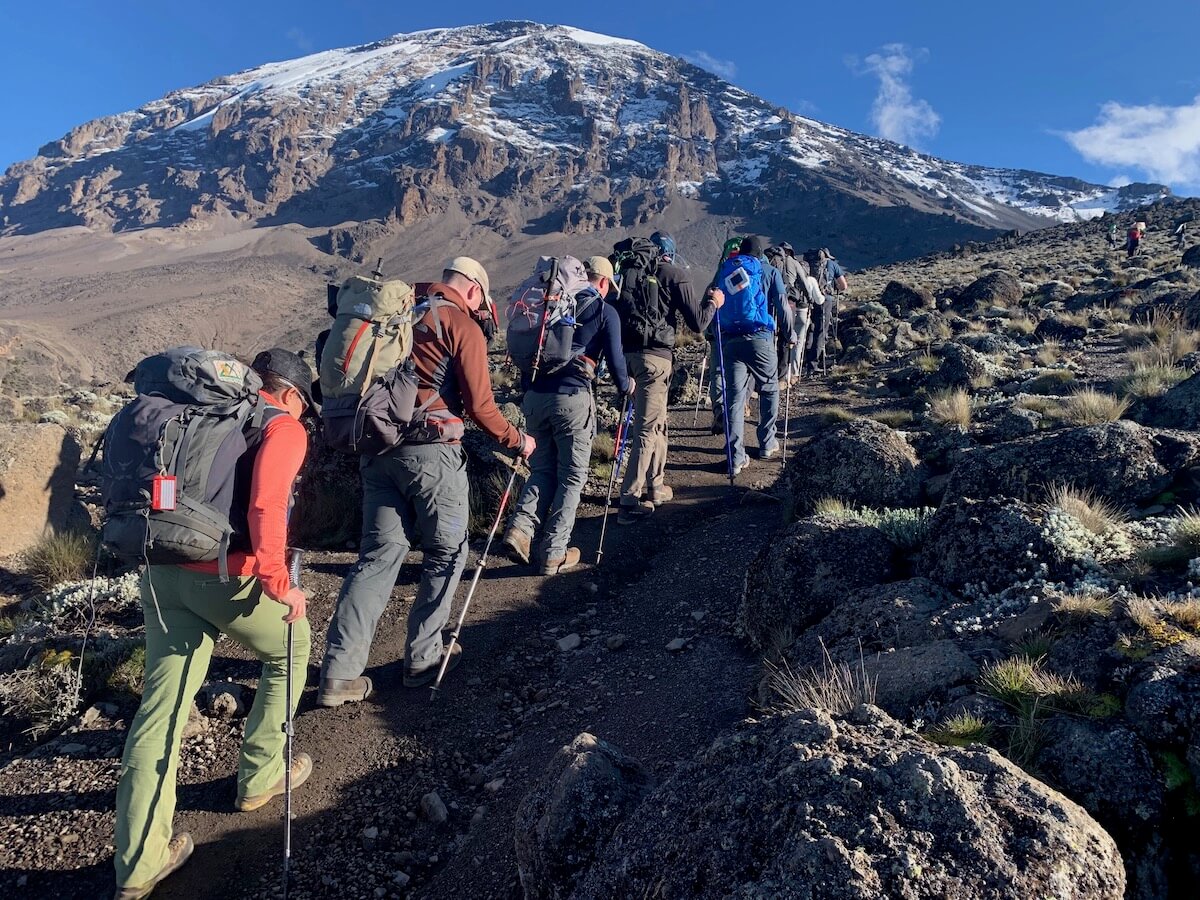
You can choose from several popular routes
each offering unique landscapes, wildlife, and experiences:
Machame Route (“Whiskey Route”)
Known for its scenic beauty, Machame is one of the most popular and challenging routes. It typically takes 6–7 days, offering lush forests, moorlands, alpine deserts, and panoramic summit views. Machame has a high success rate for summiting due to its gradual acclimatization.
Marangu Route (“Coca-Cola Route”)
The only route with hut accommodations, Marangu is considered the easiest and most comfortable route. It usually takes 5–6 days and follows a direct path with moderate slopes. This route is ideal for travelers who prefer sleeping in huts rather than tents.
Lemosho Route
Known for its breathtaking scenery and low traffic, Lemosho starts on the western side of the mountain. Typically 7–8 days, this route provides excellent acclimatization and high summit success rates. Hikers enjoy panoramic views, wildlife sightings, and a quiet trekking experience.
Rongai Route
Approaching from the north, Rongai is less crowded and offers a drier climate. It’s ideal for those who want a peaceful trek with scenic views of Kilimanjaro’s northern landscapes. The trek usually takes 6–7 days.
Northern Circuit Route
The newest and longest route, Northern Circuit takes 8–9 days, providing the best acclimatization and 360-degree panoramic views of the mountain. It combines the beauty of Lemosho and Rongai routes and gives trekkers a unique, less crowded experience.
Umbwe Route
The Umbwe Route is the most direct and challenging way to climb Mount Kilimanjaro. Known for its steep ascents and dramatic ridges, this route is designed for experienced trekkers seeking a demanding climb and a strong sense of adventure.
Most Popular Trekkings
During your trek, you will pass through various ecological zones:
Rainforest Zone
Dense forests with exotic plants, birds, and occasional monkeys.
Heath and Moorland Zone
Unique vegetation, giant groundsels, and scenic landscapes.
Alpine Desert Zone
Rugged volcanic terrain with dramatic views of surrounding plains.
Summit Zone
A high-altitude, arctic-like environment leading to Uhuru Peak, Africa’s highest point.
Climbing Kilimanjaro is more than a physical challenge it’s a journey through Africa’s stunning landscapes, diverse ecosystems, and cultural regions.
Along the way, enjoy breathtaking sunrises, scenic photography opportunities, and an unforgettable sense of accomplishment upon reaching the summit.
After your trek, you can combine your adventure with a luxury safari in Serengeti, Ngorongoro, or Tarangire, or relax on Zanzibar’s pristine beaches for the ultimate African holiday experience.
Best Time to Climb Mount Kilimanjaro
The ideal time to climb Mount Kilimanjaro is during the dry seasons, when trails are less slippery, weather is more stable, and visibility is excellent for summit views.
- January to March – This is a warm and dry period, with fewer tourists on the trails. Expect sunny days and mild temperatures, although afternoon showers can occasionally occur.
- June to October – The most popular trekking season. These months are cooler and dry, offering the clearest skies and the best conditions for reaching Uhuru Peak. The views of snow-capped peaks and surrounding landscapes are spectacular.
Avoid the long rainy season (March–May) and short rains (November) as trails can be muddy and visibility can be limited.
However, some trekkers still climb during these times for fewer crowds and lower costs, but preparation for wet conditions is essential.
Tips:
- Always choose a route with good acclimatization to increase summit success.
- Trekking early in the day helps avoid afternoon clouds and rain.
- Bring layers for cold summit temperatures, especially during the June–October season