
Ngorongoro Crater
Tanzania’s Natural Wonder
Explore the Ngorongoro Crater
The Ngorongoro Crater, located in northern Tanzania, is one of Africa’s most spectacular natural treasures and a UNESCO World Heritage Site. Formed over two million years ago when a massive volcano collapsed, it stands today as the world’s largest unbroken volcanic caldera, spanning 260 square kilometers and surrounded by dramatic walls over 600 meters high.
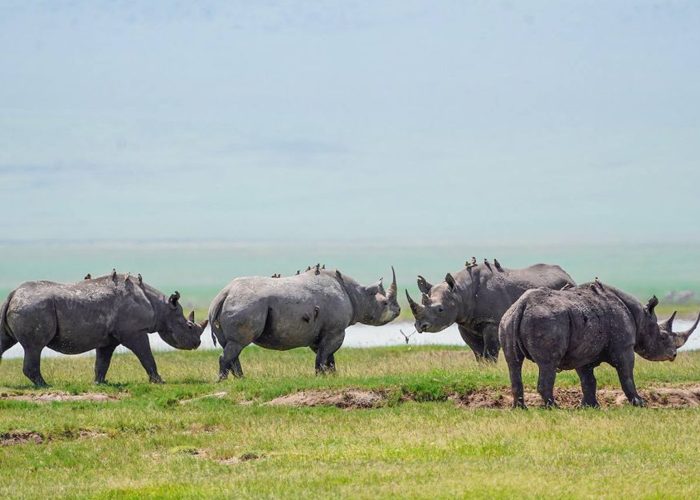
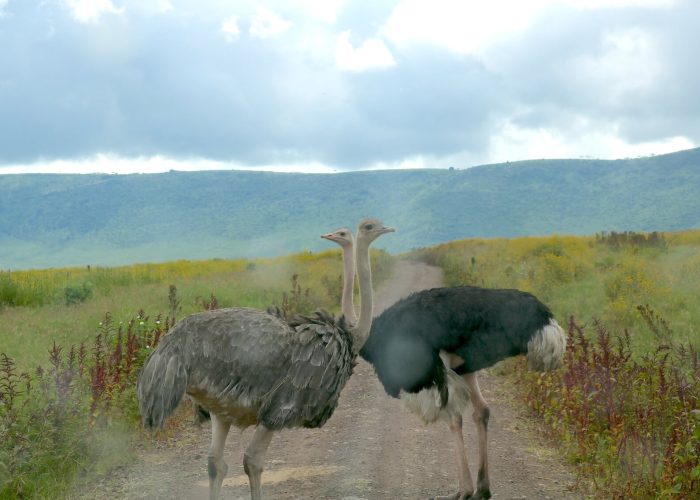
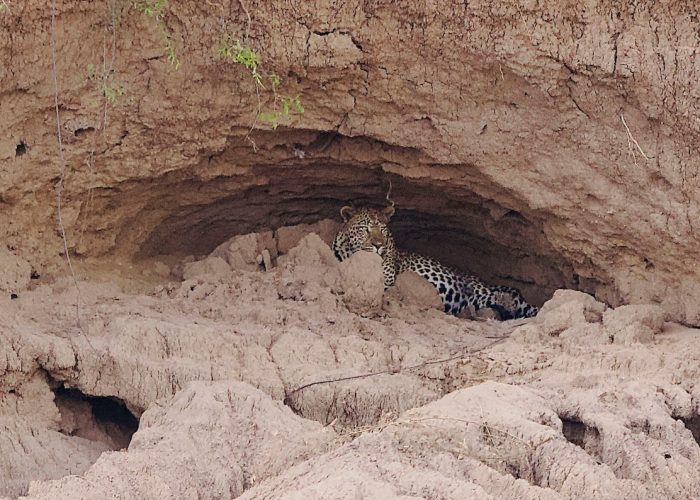
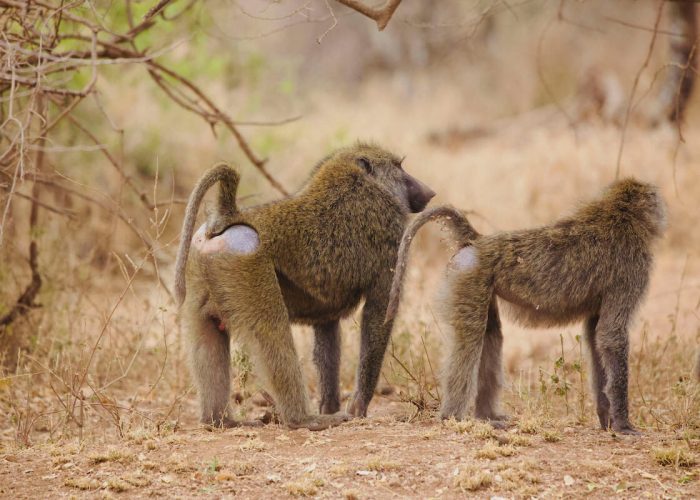
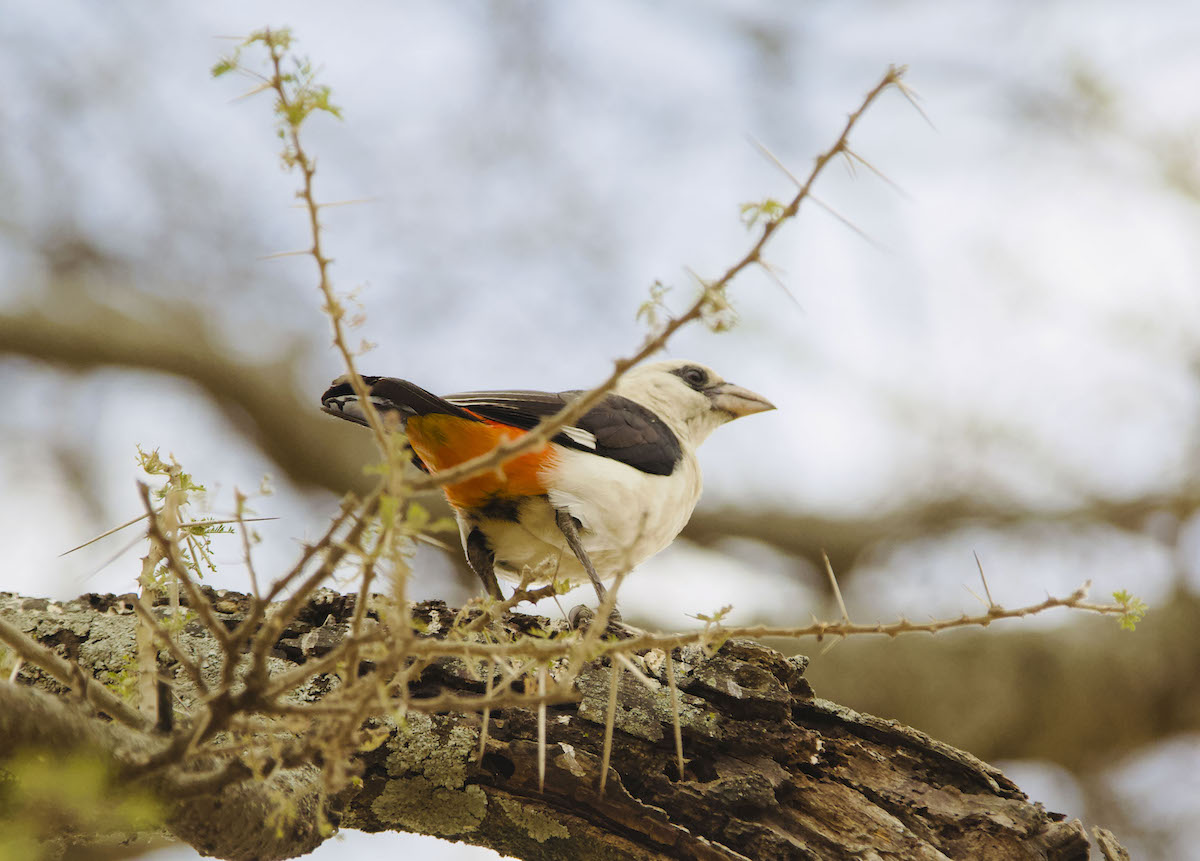
Often called “Africa’s Garden of Eden,” the Ngorongoro Crater offers unmatched wildlife experiences. On a Ngorongoro safari, visitors can encounter the Big Five — lions, elephants, buffaloes, rhinos, and leopards — alongside thousands of wildebeest, zebras, gazelles, and over 500 bird species. From pink flamingos at Lake Magadi to eagles, ostriches, and crowned cranes along the crater rim, Ngorongoro is a paradise for nature and photography lovers.
Beyond wildlife, the Ngorongoro Conservation Area is also home to the Maasai people, known for their rich culture and traditions. Nearby, the Olduvai Gorge reveals fossils and stone tools that trace the earliest chapters of human evolution — a truly unique blend of nature,
culture, and history.
Top Attractions & Activities in Ngorongoro Crater
Game Drives and Wildlife Viewing
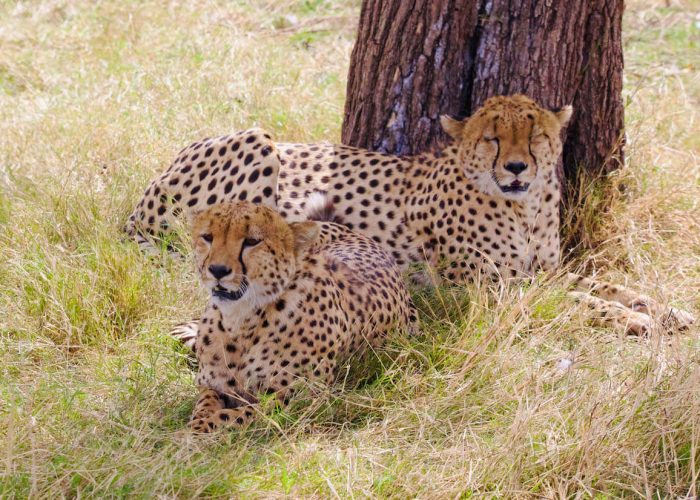
A game drive in Ngorongoro Crater is the highlight of every safari. The crater floor offers guaranteed wildlife sightings — from lions and elephants to hippos and herds of antelope grazing the plains. Morning drives are especially rewarding, as predators are most active and the lighting is perfect for photography.
Walking Safaris
For a more immersive experience, join a guided walking safari along the crater rim or trek to nearby craters such as Olmoti and Empakaai. Accompanied by armed rangers, travelers enjoy breathtaking views, encounter smaller wildlife, and explore rare plant species — an adventure beyond the vehicle.
Bird Watching
With over 500 bird species, Ngorongoro is a dream destination for bird lovers. Flocks of flamingos paint Lake Magadi pink, while eagles, storks, and crowned cranes soar across the skies. Seasonal migrations make birdwatching safaris exciting year-round.
Cultural Tours
A visit to Ngorongoro Crater isn’t complete without meeting the Maasai community. Travelers can visit a traditional Maasai boma to experience their customs, vibrant attire, songs, and dances — gaining insight into how the Maasai coexist with wildlife in harmony.
Archaeological Tours
History enthusiasts will love exploring Olduvai Gorge, one of the world’s most significant archaeological sites. Fossils and tools found here date back millions of years, offering deep insight into the origins of humankind. A stop at the Olduvai Gorge Museum completes this fascinating experience.
Best Time to Visit Ngorongoro Crater
- January – March: Ideal for witnessing the Great Migration and the calving season when many animals give birth.
- April – May: Lush and green landscapes with fewer tourists — perfect for photographers and peace seekers.
- June – October: Peak safari season with clear skies and excellent wildlife viewing.
Why Visit Ngorongoro Crater
Ngorongoro Crater offers one of Africa’s highest concentrations of wildlife, including the Big Five and the rare black rhino.
Its dramatic volcanic landscape encloses lakes, grasslands, and forests in a single, breathtaking setting.
Year-round game viewing and rich Maasai culture make it a truly unforgettable safari destination.