
Serengeti National Park
Tanzania’s Ultimate Safari Destination
Discovering the Serengeti National Park
Serengeti National Park in northern Tanzania is one of the most breathtaking wildlife destinations on Earth, attracting travelers, filmmakers, photographers, and nature lovers from every corner of the world. Spanning over 14,750 square kilometers, this iconic UNESCO World Heritage Site offers a safari experience like no other, with its vast open plains, dramatic horizons, and extraordinary density of wildlife. The name “Serengeti” comes from the Maasai word Siringet, meaning “endless plains,” which perfectly describes the park’s sweeping grasslands that stretch as far as
the eye can see.
Highlights of the park
Great Wildebeest Migration
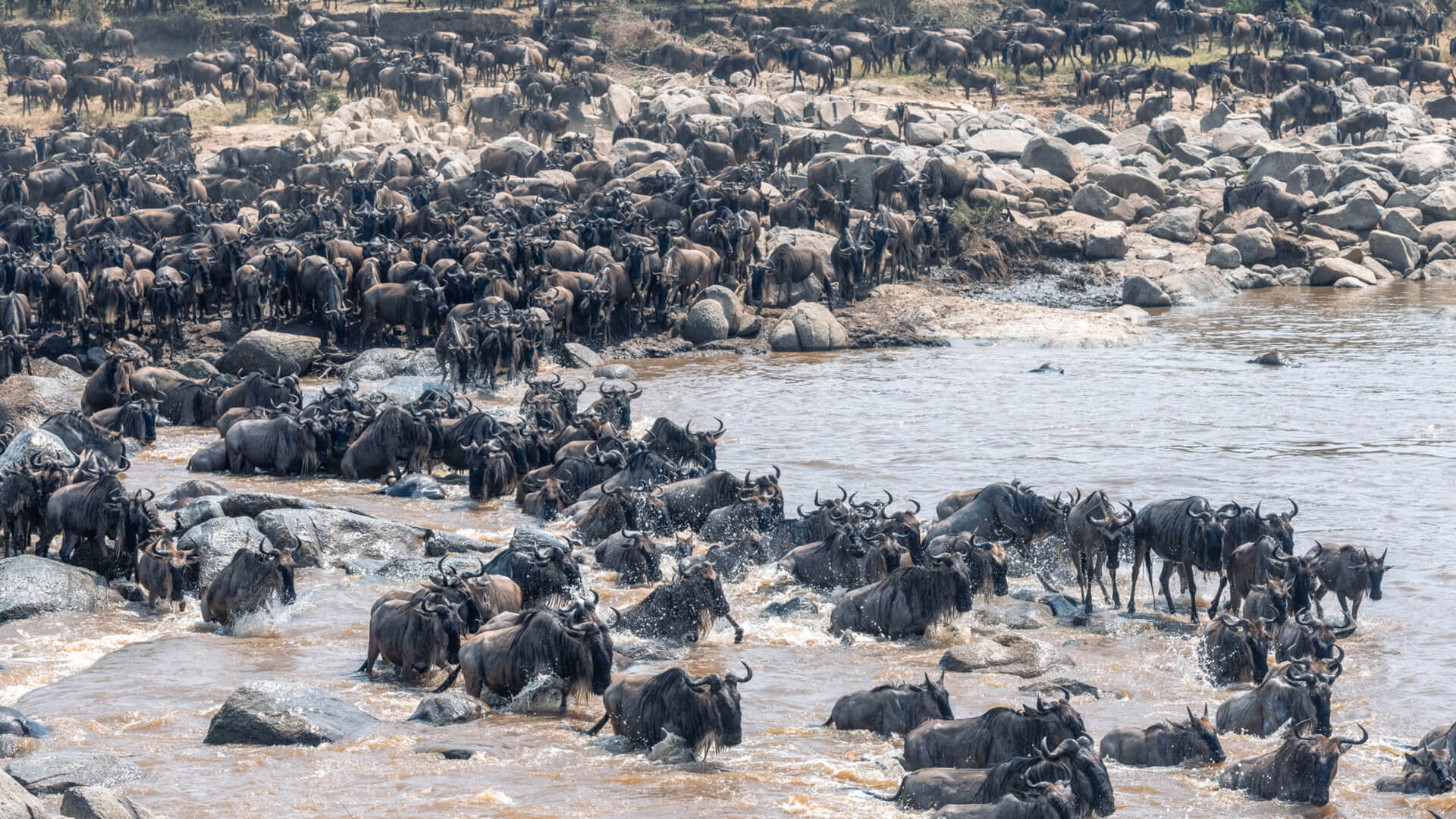
The Serengeti is most famous for the Great Wildebeest Migration, one of the world’s most magnificent natural events. Every year, over 1.5 million wildebeests, accompanied by zebras and gazelles, move across the plains in a powerful cycle of survival.
Their journey includes the dramatic Mara River crossings, where thousands of animals leap into crocodile-filled waters in one of nature’s greatest spectacles. This event draws wildlife enthusiasts from around the globe who come to witness the raw power and beauty of the natural world.
Big Five
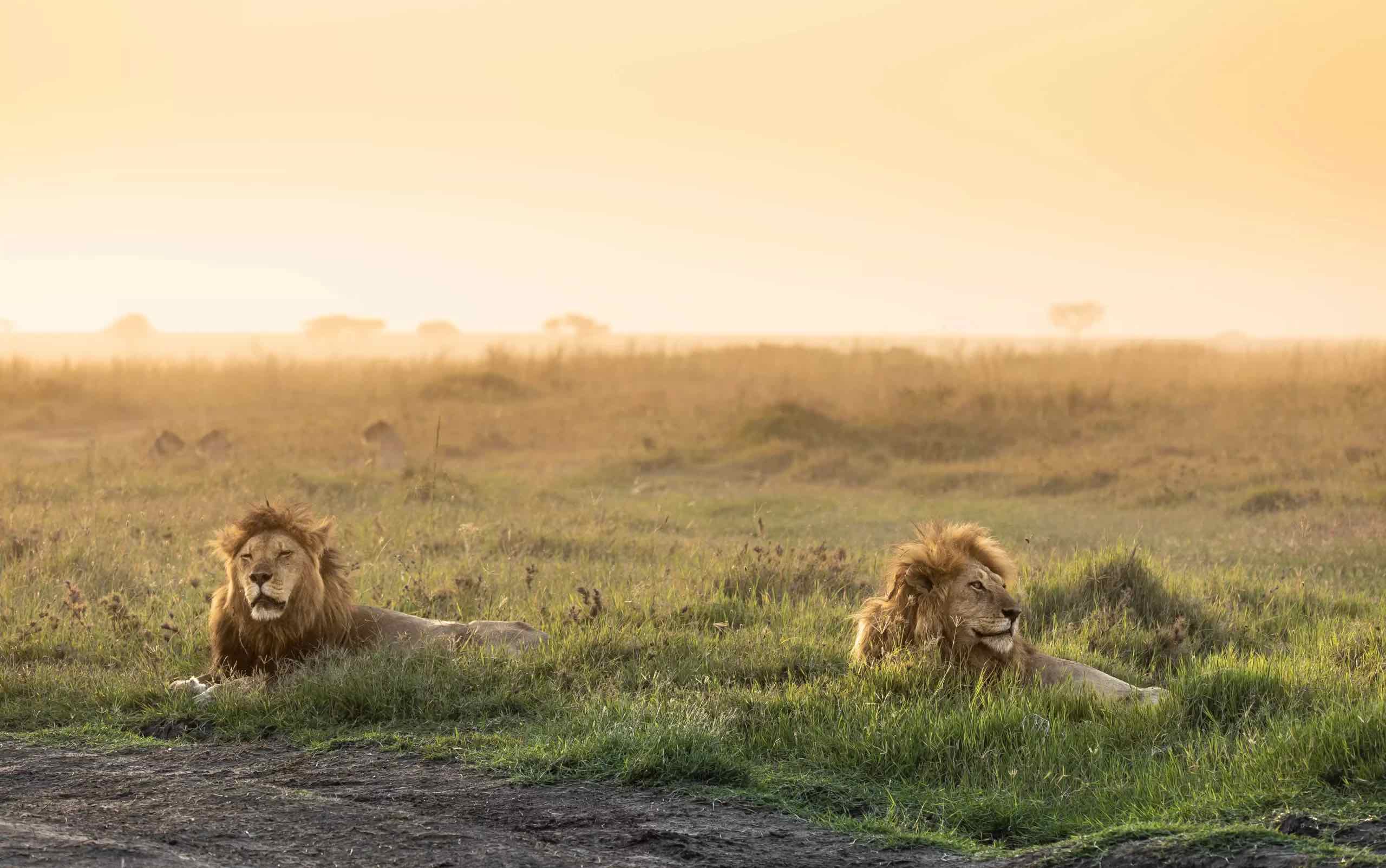
Beyond the migration, the Serengeti is home to some of the richest wildlife populations in Africa. It boasts all members of the Big Five lions, leopards, elephants, rhinos, and buffalo.
The park is especially renowned for its lions; it hosts the largest population of lions in Africa, allowing visitors to enjoy rare sightings of prides resting on rocks, hunting in the grasslands, or interacting with their cubs. Cheetahs also thrive here, using the open plains to sprint after gazelles in high-speed chases. Leopards can often be spotted lounging in tree branches along riverine forests.
Wildlife and Birds
Elephants roam peacefully through the woodlands, majestic giraffes glide across the savannah, and countless zebras graze alongside wildebeests.
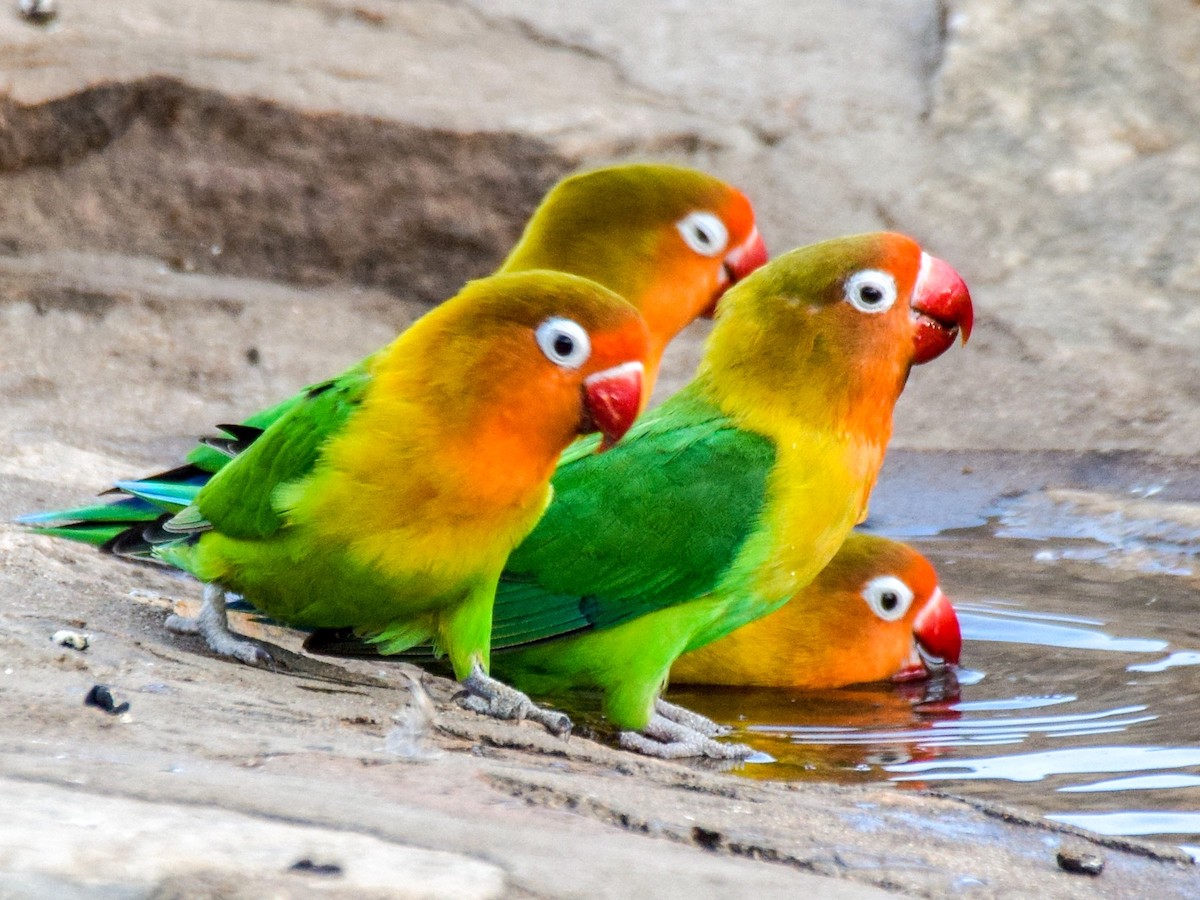
With over 500 bird species, the Serengeti is also a paradise for birdwatchers, offering sightings of colorful rollers, majestic eagles, secretary birds, and large flocks of ostriches.
The landscapes of the Serengeti
The landscapes of the Serengeti are as mesmerizing as its wildlife. From the iconic kopjes ancient rock formations used as lookout points by big cats to the golden savannahs, acacia woodlands, and seasonal rivers, every part of the park offers something unique.
Sunsets in the Serengeti are especially unforgettable; as the sun dips below the horizon, the sky turns shades of orange, red, and purple, creating magical moments perfect for photography and relaxation.
A Land Shaped by Time and Nature
Millions of years of volcanic activity and erosion have sculpted the Serengeti’s unique terrain from open savannahs and acacia woodlands to rocky kopjes and lush river valleys. This diversity supports one of the richest ecosystems on the planet, home to lions, elephants, giraffes, cheetahs, leopards, and over 500 species of birds.
A Land Shaped by Time and Nature
Millions of years of volcanic activity and erosion have sculpted the Serengeti’s unique terrain — from open savannahs and acacia woodlands to rocky kopjes and lush river valleys.
This diversity supports one of the richest ecosystems on the planet, home to lions, elephants, giraffes, cheetahs, leopards, and over 500 species of birds.
Top Attractions in Serengeti National Park
The Great Migration
Experience the breathtaking movement of millions of animals across the Serengeti National Park. The herds travel south during the wet season and head north through the Seronera, Western Corridor, and Grumeti River during the dry months — offering year-round viewing opportunities.
Seronera Valley (Central Serengeti)
A wildlife-rich region where predators and prey gather around permanent water sources. With lush vegetation and luxury lodges, Seronera is ideal for game drives and photography.
Naabi Hill (Eastern Serengeti)
The gateway to Serengeti National Park offers panoramic views of the plains and is often surrounded by herds of wildebeest and zebras. It’s also home to a resident pride of lions.
Lobo Valley (Northern Serengeti)
A hidden gem with rolling hills, rocky outcrops, and fewer tourists. Between July and October, it becomes a migration corridor filled with elephants, lions, and leopards.
Grumeti River (Western Corridor)
Famous for dramatic river crossings where wildebeest face off against enormous crocodiles. The best time to visit is June to mid-July.
Retima Hippo Pool (Central Serengeti)
Home to around 200 hippos, this pool is one of the best places to observe these fascinating animals up close — especially in the dry season.
Serengeti Balloon Safaris
Soar above the plains at sunrise and witness the Great Migration from the sky. Each flight ends with a champagne breakfast — an unforgettable luxury safari experience.
Bologonja Springs (Northern Serengeti)
A peaceful oasis attracting elephants, giraffes, monkeys, and colorful birds — perfect for tranquil photography and birdwatching.
Top Things to Do in Serengeti National Park
- Morning & evening game drives
- Hot-air balloon safaris for aerial views
- Photography tours capturing Africa’s Big Five and stunning landscapes
Best Time to Visit Serengeti
- January – March: Calving season, best for predator sightings.
- June – October: Dry season, peak for wildlife viewing and river crossings.
- November – December: Green season, beautiful scenery with fewer crowds
Why Visit the Serengeti?
A journey through Serengeti National Park is more than a safari it’s an immersion into Africa’s wild heart, where nature’s rhythm plays out in the purest form. Whether you come for the Great Migration, the Big Five, or the golden sunsets, the Serengeti promises an experience that stays with you forever